
Spring Lead Toxicity Testing Services From Local Contractors
Spring is the ideal time to ensure your property’s safety by connecting with trusted local contractors for comprehensive lead toxicity testing.
Spring is often seen as an ideal time to address lead toxicity testing due to the seasonal shift toward outdoor activities and home improvement projects. As property owners prepare for warmer weather, many consider inspecting their homes for potential hazards, including lead-based paint or other sources of lead exposure. Spring's emphasis on cleaning, renovations, and outdoor maintenance creates an opportunity to identify and mitigate lead risks before the summer months, ensuring a safer environment for residents and visitors alike.
Lead toxicity testing services typically cover the detection of lead in various areas of a property, such as interior surfaces, paint, soil, and water sources. These tests help identify whether lead hazards are present, especially in older homes where lead-based paint may still be in place. Many local contractors offer comprehensive testing options that can include surface sampling, soil analysis, and water testing, providing property owners with a clear understanding of potential lead exposure risks. Proper testing can serve as a critical step before undertaking renovation or repair projects, helping to prevent the spread of lead dust and contamination.
When comparing local options for lead toxicity testing, property owners should consider the experience and reputation of service providers in their community. It’s helpful to review the scope of services offered, including the types of testing available and the methods used. Additionally, understanding how each contractor approaches reporting and follow-up can aid in making an informed choice. By evaluating the credentials, service offerings, and customer feedback of local contractors, property owners can select a provider that best fits their specific needs, ensuring thorough testing and peace of mind during the spring season.
Compare local contractors’ expertise and priorities to find the best lead toxicity testing services for your spring project needs.
- Lead Toxicity Testing - Local contractors can perform comprehensive testing to identify lead presence in your home.
- Health and Safety Assessment - Professionals can evaluate potential lead hazards to ensure a safe living environment.
- Remediation Recommendations - Service providers can suggest effective solutions for lead removal or containment.
- Spring Home Refresh - Testing can be part of seasonal updates to maintain a healthy and compliant home.
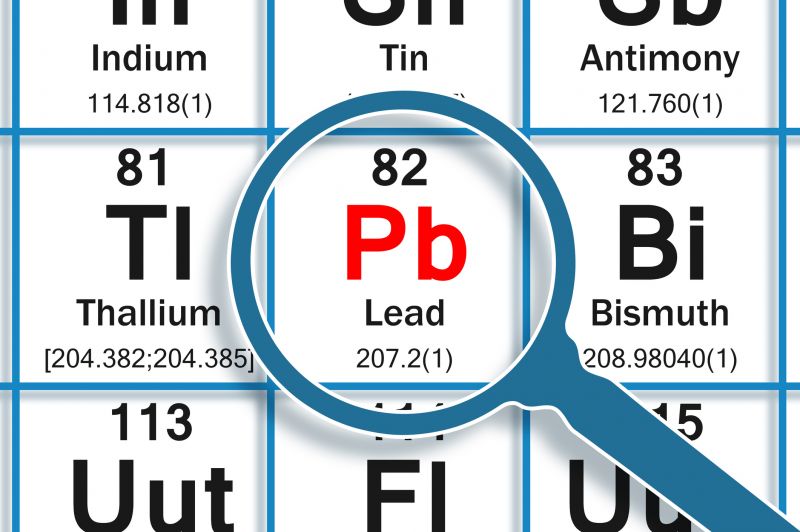
Before comparing options, clearly describe your lead toxicity testing project to find suitable local service providers.
- Check for lead testing services offered by local contractors specializing in environmental assessments. - Ensure service providers use approved testing methods to accurately detect lead presence.
- Verify that local lead toxicity testing providers can conduct comprehensive inspections of interior and exterior surfaces. - Look for professionals experienced in testing common lead hazards in residential settings.
- Confirm that local contractors provide clear guidance on lead testing procedures and interpretative results. - Choose service providers who can explain testing outcomes and recommend next steps.
- Assess if local lead testing specialists are equipped to identify lead in paint, dust, soil, or water sources. - Ensure they can handle multiple testing areas relevant to your property.
- Determine whether local pros follow proper protocols to prevent contamination during testing processes. - Select providers committed to maintaining safety standards throughout the testing procedure.
- Explore options for local lead testing services that offer detailed reports and documentation for property records. - Ensure documentation is thorough to support any necessary remediation actions.
Use this as a starting point to explore local contractors experienced in lead toxicity testing for spring home refresh projects.
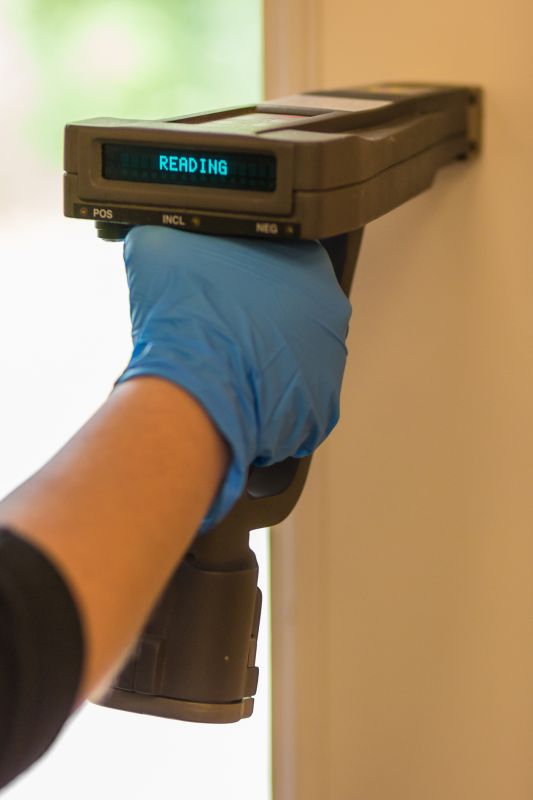
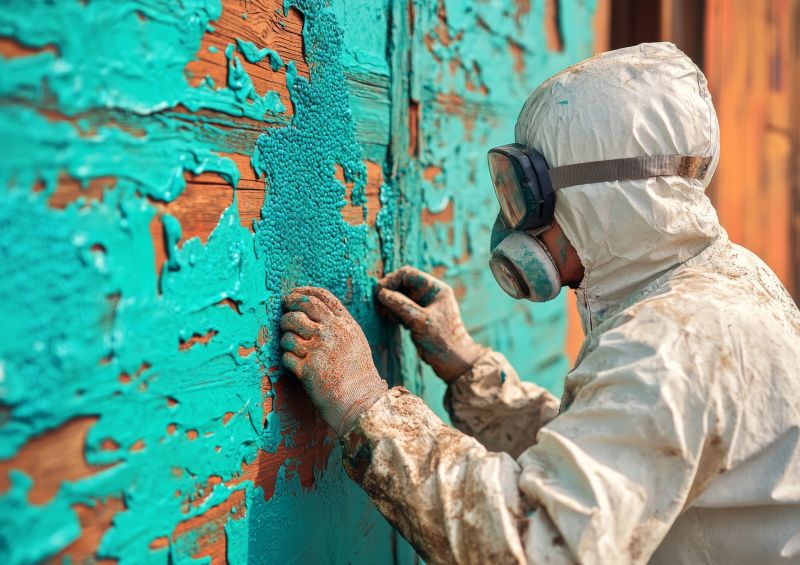

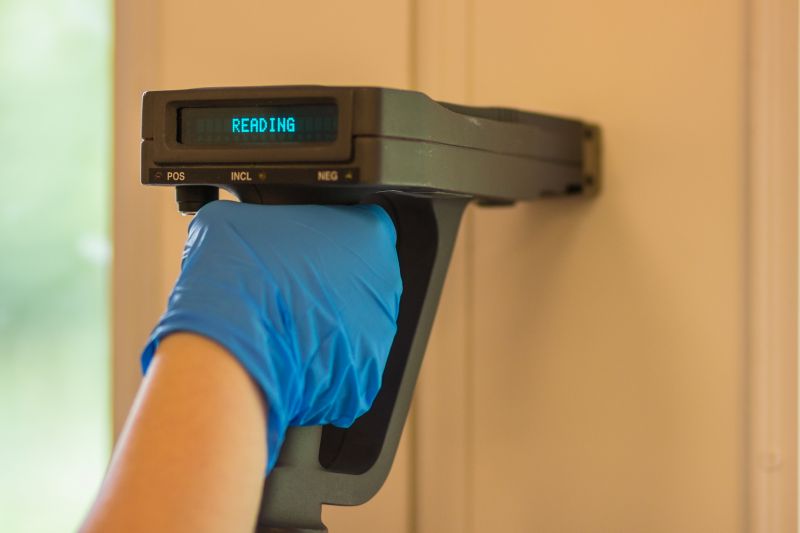
Evaluate your priorities and compare local contractors to find the best lead toxicity testing options for spring.
- Lead Toxicity Testing in Residential Spaces - Spring is an ideal time to assess homes for lead hazards before summer renovations or outdoor projects begin. Local contractors can perform surface and soil testing to identify potential lead exposure risks.
- School and Playground Lead Testing - As outdoor activities increase in spring, testing school facilities and playgrounds for lead contamination helps ensure safe environments for children. Service providers can conduct comprehensive testing to detect lead presence in paint, soil, and water sources.
- Water Supply Lead Analysis - With the start of spring, testing household and municipal water supplies for lead can identify potential health hazards. Local testing specialists can analyze water samples and recommend appropriate remediation measures if needed.
- Soil Lead Screening for Gardening Areas - Spring planting season prompts testing of garden soils for lead contamination to prevent exposure through homegrown produce. Local lead testing experts can evaluate soil quality and advise on safe gardening practices.
- Pre-Construction Lead Surveys - Springtime renovation projects often involve older buildings that may contain lead-based paint. Service providers can perform lead surveys to help plan safe renovation strategies and comply with safety standards.
Compare lead toxicity testing providers consistently across different local contractors to ensure reliable and accurate results.
- Test Method Selection - Determine the appropriate testing methods for detecting lead in paint, dust, or soil.
- Sampling Procedures - Define standardized procedures for collecting samples to ensure accurate and representative testing results.
- Laboratory Requirements - Identify certified laboratories capable of analyzing lead samples according to industry standards.
- Result Interpretation - Establish criteria for evaluating lead levels and understanding their implications for health and safety.
- Reporting Standards - Specify the format and content required for testing reports to ensure clarity and compliance.
When comparing local contractors for lead toxicity testing during the spring season, it is important to consider their experience with similar projects. Homeowners should inquire about the types of properties and environments the service providers have worked with, ensuring they have a history of handling lead testing in residential settings. An experienced contractor will be familiar with common challenges that arise during springtime inspections, such as outdoor exposure factors or renovation-related concerns, which can influence the accuracy and thoroughness of the testing process.
Clarity in the scope of work is another critical factor when evaluating options. Service providers should be able to clearly outline what the lead toxicity testing will include, such as the specific areas to be tested, the methods used, and any follow-up steps if lead is detected. A well-defined scope helps homeowners understand what to expect and ensures there are no surprises once the project begins. This transparency can also assist in comparing different contractors’ offerings and choosing a provider that aligns with the homeowner’s specific needs.
Work planning considerations are especially relevant during the spring, when outdoor conditions and home improvement projects often coincide. Homeowners should ask how local contractors plan and schedule their testing to accommodate seasonal weather patterns and other springtime factors. Effective work planning includes considerations such as access to testing areas, minimizing disruption to daily routines, and coordinating any necessary follow-up or remediation steps. Understanding these logistical details can help ensure the project proceeds smoothly and efficiently.
When evaluating options, it is useful to focus on the contractor’s approach to communication and project management. Prospective service providers should be able to explain their process for coordinating testing, reporting results, and addressing homeowner questions. Clear communication and organized work planning reflect a professional approach and can provide confidence in the quality of service. By comparing how local contractors handle these aspects, homeowners can select a partner that offers thorough, transparent, and well-coordinated lead toxicity testing during the spring season.
Request written clarification to ensure the scope of lead toxicity testing aligns with your spring renovation plans.
- Scope of Lead Testing - What specific lead testing services do local contractors offer for residential properties?
- Testing Methods - How do different providers' lead toxicity testing techniques compare in accuracy and thoroughness?
- Environmental Coverage - Which local service providers can assess lead risks in various spring-related environments like gardens or outdoor structures?
- Material Focus - Do providers specialize in testing lead in common springtime building materials such as paint, soil, or water?
- Service Offerings - How do the scope and options of lead testing packages vary among local contractors during the spring season?
What is lead toxicity testing? Lead toxicity testing involves analyzing samples to determine if there are harmful levels of lead present, helping to identify potential health risks in environments where lead exposure is possible.
Why is lead testing important during spring projects? Spring is a common time for home renovations and cleaning, which can disturb lead-based paint or dust; testing ensures that any lead hazards are identified before work begins.
How do local contractors perform lead toxicity testing? They typically collect samples from surfaces, dust, or soil and send them to laboratories for analysis, providing insights into lead presence and levels.
What areas are typically tested for lead during toxicity assessments? Common testing areas include painted surfaces, soil around the property, dust in the home, and water sources where lead contamination may occur.
Are lead toxicity tests safe and non-invasive? Yes, most lead testing methods are safe, non-invasive, and designed to accurately detect lead levels without causing damage to the property.
How can local service providers assist with lead toxicity testing? They can help coordinate testing services, interpret results, and recommend appropriate steps to address any lead hazards identified during the assessment.
Spring is a great time to evaluate your home’s indoor air quality, and lead toxicity testing is an important step in ensuring a safe environment. Visitors learned about the significance of identifying lead hazards, the key aspects of testing procedures, and how local service providers can assist with this process. With a variety of options available, comparing local contractors can help find the right fit to meet specific needs and concerns.
Using the quote form can help connect with trusted local contractors who specialize in lead toxicity testing. This allows for an easy way to explore different service providers, gather information, and find the best solution for spring-focused home improvement plans. Taking the time to compare options ensures that the right local experts are available to support safe and healthy living environments.
Providing clear details about your lead toxicity testing project helps local contractors understand your needs and plan effectively.
- Type of Testing - details about the specific lead toxicity testing services offered by local contractors.
- Testing Scope - information on the areas or materials that will be tested for lead hazards.
- Preparation Requirements - practical guidance on how to prepare the space before testing begins.
- Reporting and Results - clarification on how results are provided and what they include.